
Our-Oral-Surgeon-Is-Also-A-Full-Head-And-Neck-Surgeon-For-Comprehensive-Care-_-Frisco,-TX
Our Oral Surgeon Is Also A Full Head And Neck Surgeon For Comprehensive Care | Frisco, TX

Photo By

An Expert Oral Surgeon and So Much More

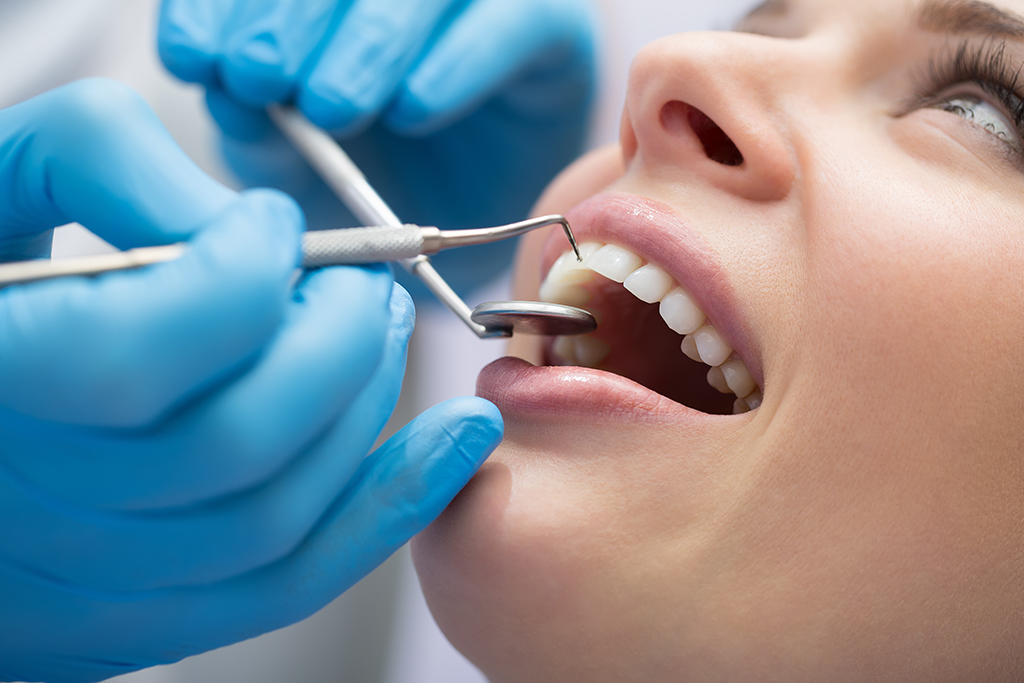
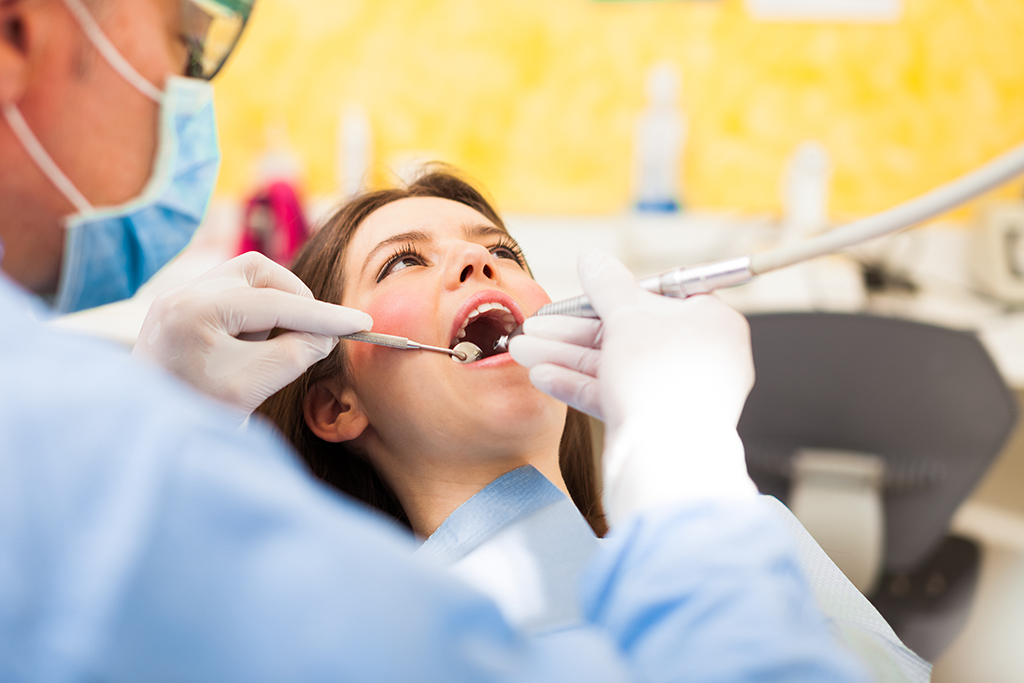
There’s no better feeling than knowing your teeth are under the care of an expert oral surgeon. Even better, our DMD-degree oral surgeon is also an MD-degree physician with expertise in the care of the entire head and neck. From simple concerns such as wisdom teeth extraction to more complex injuries, tumors, and reconstruction, Dr. Eftekhari has big-picture understanding and does a wonderful job of taking care of you.

Extractions and Implants, Simple or Complex

We offer various ways to help you relax during procedures, but perhaps the most effective thing we have to offer is an expert surgeon. Knowing that you are in good hands with a dentist and doctor who is highly skilled can do wonders for your peace of mind. In addition, we offer services such as bone grafts to enhance the success of extraction and dental implant procedures and lead to better outcomes overall.

Full-Mouth Reconstruction

Rebuilding or replacing your entire set of teeth, top and bottom, can be the right answer for many situations from decay and gum issues to cosmetic upgrades. It’s essentially starting from scratch, and can be the finishing touch when we’re reconstructing your face and jaw after an accident, or simply a process of renewal that lets you look great and eat comfortably, often for the first time in quite a while.

Adult and Pediatric Oral Surgery

As care providers for adult and pediatric patients, you know we take special care to ensure our patients are comfortable and relaxed. That makes us an excellent choice for all of your oral surgery needs, from extractions to jaw correction, oral pathology concerns, and facial trauma, with special care for growing children.

In-Office Anesthesia and IV Sedation

Since our office offers major head and neck surgery as well as the dental skills of our oral surgeon, we are fully equipped for anesthesia or IV sedation during your procedure. We know your dental health is important, and we want to make sure that you feel comfortable to visit us for treatment.

Bone Grafting

You may have heard that the jawbone recedes over time when teeth are lost, and for other reasons you may need bone grafts to support your existing structures, especially for implants. Grafts may also be recommended for impacted wisdom tooth situations, socket preservation, sinus lift procedures to allow implants in the upper jaw, and alveolar ridge augmentation for aesthetic or implant purposes.

Oral Cavity and Tongue Biopsies and Reconstruction

Your dentist may be scanning your mouth with a special light to identify risks for oral cancer, but what if something is found? We provide expert biopsy procedures in Frisco, TX to identify concerns, both around the oral cavity and on the tongue. If removal of tissue is required to resolve tumor growth, our reconstruction expert will provide a recovery plan to restore your function and appearance. Even if tumors have grown to involve the jaw bone or other structures, they are well within our advanced facial reconstruction abilities.

Salivary Gland Disorders

If you have Sjogren’s syndrome that leads to a dry mouth, viral infections of your salivary glands, cancerous or non-cancerous tumors, cysts, “stones,” or bacterial infections, look to us for thorough treatment of your condition. An important part of addressing conditions of the salivary glands is proper diagnosis, and we have the skills and experience to provide the resolution that you need.

Jaw Reconstructive Surgery

Jaw damage doesn’t just come from a well-placed punch. In addition to broken jaws, we treat improperly developed jaws, damage to the jaw from automobile accidents or other facial injuries, and damage from tumor growth. As part of our oral surgeon’s practice, we also can handle jaw reconstruction as part of a much larger facial reconstruction process, coordinated for the best outcome.

Oral and Facial Cancers

Oral and facial cancer progression can weaken and damage important facial structures as well as tissue, so it’s important to get it diagnosed and treated as soon as possible. If you have risk factors including tobacco use, make sure that you have regular and thorough screenings, and treat any unusual-looking areas of your mouth or facial skin including your lips as reason to schedule an exam. We have the ability to remove tumors and rebuild damage, but it is very satisfying to resolve any cancerous growths when they are minimal.

TMJ

Diagnosis of TMJ includes listening to your jaw while it’s in motion and feeling the joint’s movement, checking the range of motion, and identifying pain points around the jaw. In addition, X-rays, CT scans, and MRI imaging can be useful, and even arthroscopy using a small camera can help identify the cause of the discomfort and motion issues. Once the causes and concerns are identified, our oral surgeon will prepare a treatment plan aimed at comfortable and proper jaw movement and treatment of specific jaw pain.

Facial Pain Management

Managing facial pain requires an in-depth knowledge of the nervous system as it applies to facial anatomy. A variety of solutions can be applied, with the best results coming from an understanding of how the pain is arising, whether it is from damage, infection, muscle pain or a specific condition that requires treatment. Our expert oral surgeon and head and neck surgeon is in a unique position to diagnose pain no matter where in your mouth and head it originates, and to create a treatment plan that encompasses all the factors that can help resolve your situation. We invite you to visit us even if you haven’t found much reason for hope with more limited-scope specialists.

Contact NextGen OMS for Full-Service Oral Surgery Care

Visiting NextGen OMS for treatment by our Frisco, TX oral surgeon is unlike most dental visits you’ve experienced. Our combination of head and neck surgery skills and full-service oral surgeon expertise plus medically-supervised sedation or anesthesia is second to none. Call us for care: 817-349-9122


Your-Head-And-Neck-Surgeon-Cares-About-How-You-Express-Yourself-_-Plano,-TX
Your Head And Neck Surgeon Cares About How You Express Yourself | Plano, TX

Photo By Syda Productions at Shutterstock

Beauty is a dynamic thing, a combination of our genes, the events of our lives, and our inner selves. It’s not just a youthful look: some of the most beautiful faces are those of the elderly. Sometimes physical damage affects our bodies and how we present ourselves to the world, requiring reconstructive help from a skilled head and neck surgeon. The best results look good on the outside, and also show how we feel inside.

Ensure that Your Post-Reconstruction Face Can Express Your Thoughts and Feelings Effectively

We know that a smile arises from deep within and blossoms on your face. In fact, smiles go both ways, sending neural signals that make us feel better as we smile. We choose when to present our smile, and our face responds. Whether it’s a reconstructed smile after an accident or restored facial features after cancer surgery, we want you to know you can still smile. The expertise of your head and neck surgeon is an important factor. Even a little Botox can help too, carefully applied to support your natural beauty.

Aesthetics and Function Work Together to Present Yourself to the World

Aesthetics are only part of creating a positive appearance. It’s important to understand how the facial muscles work and how they express your feelings in order to make changes that aren’t static, which give people a feeling of our authentic selves. It’s not just a matter of those cute cheeks and pretty eyes: the zygomaticus major muscle and how we work it sends all sorts of messages from happiness and friendship to disappointment and concern.

A Bit More Facial Anatomy and Why Expert Surgical Care Matters

Working along with the zygomaticus major is of course the zygomaticus minor, pulling the orbicularis oris up to convey all those subtle messages from a toothy smile to a grimace, enlisting the help of the levator superioris. And making all this happen, leading back from your face to your brain, are the various branches of your facial nerve. The bottom line: whether you’re getting a few adjustments via Botox injections or restoring your smile after tragedy strikes, you want the work to be done by an expert in facial anatomy. Dr. Eftekhari, a highly trained and experienced head and neck surgeon, is a great choice for careful, skilled work on your facial anatomy.

Supporting Structures Add Balance to Your Face

Bones, muscle, cartilage, and skin combine together to create the contours of your face. While your muscles and skin allow you to make facial expressions, the remaining elements support the soft tissue to create the face that your family and friends have come to know and love. If you’ve been injured or otherwise require reconstruction, it’s important to make sure that your appearance is minimally affected.

Reconstruction Can Affect Your Voice as Well

From the vocal cords in the neck to the shape of your oral cavity, your unique voice is a result of the influence of many areas that your head and neck surgeon in Plano, TX works on. If you require surgery in these areas, he’ll keep in mind the importance of your head structures and larynx in your life, from whispering to your loved one to singing holiday songs.

Oncology and Microvascular Reconstructive Surgery to Support Your Cancer Recovery

In some cases, cancerous tumor removal can require a significant amount of restoration to recover facial function and appearance. One technique our expert head and neck surgeon can employ for restoring removed tissue is microvascular reconstructive surgery. This advanced technique for rehabilitation after the removal of head and neck tumors repurposes bone, tissue, blood vessels, and employs skin and muscle from other parts of the patient’s body. Careful suturing of new blood vessels using a microscope allows tissue to integrate properly with the wound area.

Careful Removal of Skin Cancer and Followup Restoration

Skin cancer excision requires care to remove as much material as possible and prevent a recurrence while minimizing cosmetic damage and providing a solid foundation for cosmetic restoration. In some cases, cancers occur on facial structures or even involve them, requiring expert care from a skilled head and neck surgeon to ensure that a quality restoration is feasible.

Aesthetic Care of the Nose and Related Structures

As the focal point of the face, the nose’s shape receives a lot of attention. It’s also important for respiration and disease prevention using its mucous membranes. Aesthetic care for the nose involves modifying its shape while maintaining or even improving its existing functions, as concerns such as a deviated septum can be corrected at the same time.

Dental Structures that Backup Your Smile

The jaw and dental structures are complex and work hard when you are talking, eating, and even playing a wind instrument or singing. They also support your smile, providing support and symmetry to your lips and facial muscles. As a head and neck surgeon with oral and maxillofacial training as well, Dr. Eftekhari can perform surgery for broken jaws, dental damage, or broader functional damage in the oral cavity, along with any necessary work to restore adjacent facial features and function.

Thyroid and Parathyroid Glands

Thyroid cancer and other diseases that require neck surgery need careful follow-up to ensure that neck muscles and skin remain supple and have minimal scarring. Our head and neck surgeon provides careful, expert surgery for these areas that prioritizes both physical health and future appearance.

Major Reconstruction of the Head and Neck

In some cases, head and neck structures and facial anatomy require major construction by a skilled head and neck surgeon. The end result still focuses on restoring your unique identity.

Dr. Eftekhari has both MD and DMD degrees reflecting comprehensive training in head and neck anatomy and function. In Plano, TX he performs reconstruction of the face, head, neck, mouth, and oral cavity for patients recovering from automobile accidents and other injuries, as well as significant cancer growths. Connect with him and NextGen OMS at 817-349-9122.

Reasons-To-Visit-A-Top-Oral-Surgeon-_-Frisco,-TX
Reasons To Visit A Top Oral Surgeon | Frisco, TX

Photo By Roman Samborskyi at Shutterstock

When you have impacted wisdom teeth or need dental implants installed, your dentist may recommend an oral surgeon. Learn more about what these surgeons do and the advantages of receiving the services of these highly trained specialists. At NextGen OMS in Frisco, TX, you can receive surgical and non-surgical treatment from a doctor who trained for dental and medical degrees. Keep reading to learn more.

Oral surgeons are also called maxillofacial surgeons. They operate on the mouth, jaws and face to correct problems due to damage, injury or illness. The surgeon at NextGen OMS, Dr. Eftekhari, can diagnose and treat issues with the neck, head, jaws and oral cavity. This is an internationally recognized specialty.

In order to receive their credentials, these surgeons attend four years of dentistry school and complete a four-year residency in oral and maxillofacial surgery. Dr. Eftekhari has completed these extensive educational requirements, including pain control and anesthesia training. He also has many years of experience performing oral surgery on clients.

Your dentist may recommend that you see an oral surgeon when they can provide better care for your case.

Who Needs an Oral Surgeon?

Generally speaking, anyone might need an oral surgeon at some point in their life. For example, if you decide to get dental implants, these specialists can best perform the surgery. These surgeons are also the preferred provider for cyst or tumors in your jaw. If you have life saving surgery to remove a cancerous cyst or tumor on your head or neck, you may also need reconstructive surgery. With a surgeon, you can receive maxillofacial reconstructive surgery to improve your appearance.

Other reasons people need oral surgery include the following:

  • Facial pain or TMJ/TMD
  • Obstructive sleep apnea
  • Misaligned jaw
  • Cleft lip surgery
  • Cleft palate surgery
  • Face, neck or jaw cancer
  • Wisdom teeth issues
  • Reconstructive surgery to treat an injury

Sleep Apnea

If you have sleep apnea, oral surgery is not the first line of defense. However, if you have obstructive sleep apnea, oral surgery can provide an effective solution. During the procedure, the surgeon enlarges your airway. This may mean removing excess tissue or adjusting bones to make it easier for you to breathe while you sleep.

Jaw Misalignment

If your jaw is severely misaligned, you might need orthognathic surgery. This requires the expertise of an oral and maxillofacial surgeon. Dr. Eftekhari may use plates, wires and screws to realign the jaw. This surgery typically only occurs if the misalignment causes problems with speaking, eating or sleeping.

Cleft Lip or Palate Surgery

Children born with a cleft lip or cleft palate require surgery to correct the defect. Oral surgery restores the function of the lips and mouth to improve the appearance and make it easier to breathe and eat. It typically takes about three weeks to recover from this surgery. Minimal scarring occurs between the upper lip and the nose. Otherwise, those who receive this surgery have a normal appearance. This is one of the most transformative surgeries performed all over the world.

Wisdom Tooth Extractions

Wisdom teeth are also called third molars. They are the last teeth to develop and typically come out after adulthood. Some wisdom teeth never break the gum line. These teeth are said to be impacted. You may develop infection, pain and dental problems related to impacted wisdom teeth. You receive local anesthesia and go home after the surgery.

Reconstructive Surgery

If you play sports or work in a high-risk occupation, you may receive an injury to your face, neck or mouth. To repair the injury, reconstructive surgery may be needed. Reconstructive surgery refers to the rebuilding and correction of soft tissues, bone and related structures in the head and neck. Board-certified reconstructive surgeons such as Dr. Eftekhari undergo years of education and training to perform these delicate procedures.

Cancer of the Jaw

You may first notice a problem when you feel pain in your jaw. So, you may end up at the dentist, thinking you have a toothache. Chances are, grinding your teeth or another reasonable explanation lies behind your pain. However, that discomfort may come from a tumor. Cancer in the jaw often spreads from the mouth or throat. It impacts your ability to breathe and eat. Therefore, the situation is serious. Fortunately, you can receive excellent care from a top oral surgeon in Frisco, TX.

Benefits of Oral Surgery

When you choose oral surgery from a specialist, you increase your chances of a good outcome. Taking care of your teeth properly is only one pillar of your oral health care. It’s also important to get the care you need when a problem arises. For this reason, choose an oral surgeon if your dentist recommends it.

An oral and maxillofacial surgeon provides surgical and non-surgical care, including diagnosis and treatment. Should surgery become necessary, the same surgeon can remove the tumor and provide reconstructive surgery to restore your appearance.

Choosing an oral and maxillofacial surgeon gives you the peace of mind that you have a highly skilled specialist on your side.

Benefits of choosing an oral surgeon include the following:

  • Trained dentist and medical doctor
  • Highly skilled in advanced procedures
  • Certified in IV sedation and anesthesia

Consider the credentials of your surgeon to ensure that they have the appropriate experience and training. For example, Dr. Eftekhari has more than 15 years of combined experience in dental and medical education, training and surgical residency. Because of this, you will receive the best care and treatment at NextGen OMS.

Best Local Oral Surgeon 

Contact us at NextGen OMS today to schedule a consultation for oral surgery or any other concerns you have about the head and neck area. We specialize in nose, throat, head and neck disorders, cancers, pathologies and other issues. Call us at (817) 349-9122 with any questions you have regarding our services or to make an appointment.

Oral-Surgeon-_-Plano,-TX,
Oral Surgeon | Plano, TX

Photo By bezikus at Shutterstock

At NextGen OMS, clients gain access to an oral surgeon with both dental and medical credentials. We make it easy to find one of the best surgeons in Plano, TX. Whether you come to us as a referral or find this on your own, you will receive the same courteous, professional treatment from our staff.

This article covers oral surgery and the various conditions that may require it. We hope to give you enough information to feel comfortable when you visit our office or call with questions regarding your consultation.

Some of the common questions first time clients ask us include the following:

  • Why did my dentist refer me to NextGen OMS?
  • What will my first visit be like?
  • Is oral surgery painful?

We answer these questions and give you a good idea of what oral surgeons do in the article below.

How You May Come to Us as a Referral

Your general dentist probably handles your oral care the vast majority of the time. However, there are certain conditions that require a specialist, just like with any other area of your body. Your dentist may refer you to Dr. Eftekhari for treatment of these oral conditions. At NextGen OMS, we have developed partnerships with many dentists in the area. So, chances are high that you may end up at our office

The American Association of Oral and Maxillofacial Surgeons does a great job explaining what oral surgeons do. The group represents 9,000 maxillofacial surgeons just in the US. You may find it useful in raising your comfort level before you come to your first appointment.

Feel free to call us with any questions or concerns that your research turns up. You can also search various parts of our website to get an idea of our services. We are always happy to talk to clients regarding information about what insurance we take and how to set up an appointment online.

Match Experience to Your Oral Health Needs

Dr. Eftekhari is a board-certified dentist and oral surgeon. He can handle everything from dental implants to complex cosmetic or reconstructive surgery. Choosing a surgeon who can see to all of your head and neck health needs eliminates needless trips to multiple specialists.

We welcome clients who asked questions during an examination or consultation. This gives us a good idea of your concerns and also lets us have a relaxed conversation about your specific condition. Once we know why you came to us, Dr. Eftekhari can see to your medical needs and help you Understand the recommended course of action. As an experienced surgeon, our doctor has learned how to explain complex treatments in simple language

What Oral Surgeons Do

The best way to build trust with your oral surgeon is to learn more about what they do. An oral and maxillofacial surgeon treats patients referred by a primary care or general dentist regarding a diagnosis that involves their teeth, gums or jaw line.

Despite the name, an oral and maxillofacial surgeon handles much more than just issues regarding the mouth. The work needed is more intricate than what most dentists can handle. We offer you a clinical setting with a personal touch provided by Dr. Eftekhari. As with many oral surgeons, he has extensive education and training in both the dental and medical fields.

What Conditions Do Oral Surgeons Treat?

Some of the medical and dental issues handled by maxillofacial surgeon are listed below:

  • Removal of damaged or impacted teeth, including customers column bicuspids and molars
  • Removal of impacted wisdom teeth
  • Reconstructive Surgery following the removal of cancerous tumors in the neck, jaw, face or mouth.
  • Mouth ulcers
  • Dental implants and bone regeneration
  • Temporomandibular joint disorder (TMJ)
  • Infections in the jaw, neck or salivary glands
  • Jaw alignment called orthognathic surgery
  • Dental implants and regeneration of gum tissue
  • Abnormalities in the face, mouth or neck
  • Injuries Requiring cosmetic dental treatment
  • Defects such as cleft palate
  • Removal of tissue and tumors
  • Cosmetic dental procedures, including enhancements to your chin and cheekbones

Whether you want to change an oral or facial abnormality for personal or health reasons, we can help. Cosmetic and reconstructive surgery can also improve your appearance following the removal of a tumor or other growth. Oral and maxillofacial surgeons have many skills that relate to the appearance, function and health of the head and neck area. Many of the procedures we perform can help you live a normal life following an injury or illness.

Do You Wonder What the First Visit Is Like?

The first visit to NextGen OMS starts out much like a visit to your doctor or dentist. You will meet with Dr. Eftekhari to discuss what brings you to our clinic. As you get the information down about your general health and oral health history. This helps us diagnose and treat your specific issues.

During the first consultation, you often receive a plan of attack for treating your illness, injury or abnormality. The doctor might make a recommendation for getting braces, or scheduling surgery for an impacted or lost tooth. Typically, you will also receive x-rays so that the doctor can see what’s going on inside your mouth and jaw.

Once you feel comfortable and understand your personalized treatment plan, you become an active and informed participant in your healthcare. This may include changing your oral hygiene at home to facilitate treatment.

Dr. Eftekhari and the team at NextGen Oral & Maxillofacial Surgery of Plano, TX, I am here to help you look and feel better. If you have any questions before your first appointment, call our office and a team member can help put your mind at ease about coming to an oral surgeon.

Oral-Surgeon-_-Plano,-TX
Oral Surgeon | Plano, TX

Photo By Minerva Studio at Shutterstock

At NextGen OMS in Plano, TX, we offer a number of services related to head and neck surgery and treatment. Our oral surgeon performs procedures in and around the mouth and jaw areas. As a skilled dentist and maxillofacial surgeon, Dr. Eftekhari has trained for many years to perform various oral surgeries.

There are many kinds of oral surgery to treat, anything from a loose tooth to two oral cancers. Learn the most common procedures performed by an oral surgeon.

What Are the Most Common Oral Surgeries?

An oral surgeon typically treated issues related to the teeth. Impacted teeth and lost teeth are two of the most common conditions treated at our clinic.

Impacted Teeth

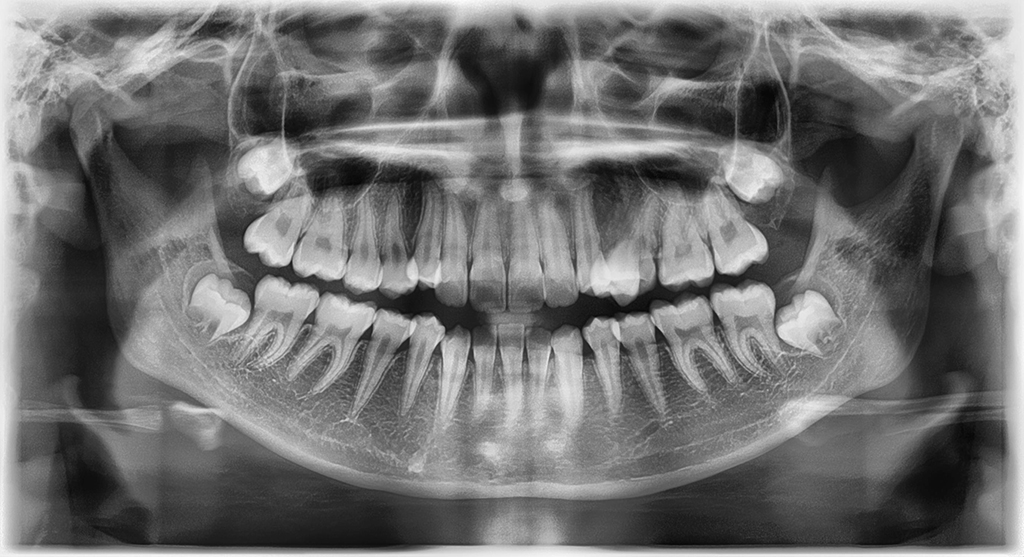
If you’ve ever had issues with your wisdom teeth, this surgery may be familiar to you. The wisdom teeth are the last set of molars to emerge. Often called third molars, they sometimes develop normally. If your jaw is big enough to accommodate them, you may be lucky enough to have no issues.

However, that’s not always the case. Often, one of these molars cannot develop properly. They may also fail to break through the gum line. When this happens they are said to be impacted. Impacted wisdom teeth are caught between the gum tissue and bone. This can cause swelling and pain. Some people also experience infections surrounding wisdom teeth.

Wisdom teeth often damaged nearby teeth. Sometimes, cysts or tumors form and damage your job. Many people choose to have their wisdom teeth removed to avoid any health issues or damage to their other teeth.

Other teeth can also become impacted. Dr. Eftekhari can also remove impacted bicuspids and cuspids.

Tooth Loss

These surgeons may become involved in routine oral care if the case is warranted. dental implants are often used to replace lost teeth to avoid infection and restore natural function. If your dentist refers you to our office, we can treat a variety of issues related to tooth loss and cosmetic dentistry.

When you come to our office, we treat you with respect whether it’s your first visit or you have been here many times. We know that having dental problems can result in pain and discomfort. We treat many types of oral surgery, including tooth removal and issues with the jawbone.

We also treat cancers of the mouth, face and neck areas. If you need reconstructive surgery following the removal of a tumor, Dr. Eftekhari can provide the appropriate services. Other types of dental specialists also perform oral surgery. However, our surgeon has a number of specialties under his belt and can handle most situations that come up regarding your oral surgery needs.

Here are just some of the surgeries we perform for the jaw and teeth:

  • Impacted wisdom teeth
  • Gum graft
  • Maxillofacial surgery
  • Root canal
  • Jaw and teeth repair
  • Tooth implants
  • Cosmetic surgery

Who Needs an Oral Surgeon?

When you need jaw or tooth surgery that exceeds the expertise of a general dentist, an oral surgeon may perform the task. For example, we have already discussed how oral surgery relates to wisdom teeth and tooth loss. However, you may also need assistance for conditions related to gum disease. In that case, you may need an oral surgeon to take care of your problem.

How do you know if you need an oral surgeon? Generally, your dentist will refer you to NextGen OMS if you need the expertise of a surgeon in Plano, TX. If you have any questions about our services, just contact our offices and we will be more than happy to help you with your questions. We want you to feel comfortable and 100% confident in the care that you will receive at our office.

How Can You Prepare for Oral Surgery?

The doctor or our staff will prepare you prior to the procedure. However, it’s a good idea to come with any questions you have regarding the work to be done. Follow both the instructions of your dentist and Dr. Eftekhari prior to the procedure.

Make sure your space at home is clean and sanitary. You will need to rest as much as possible for a few days after the surgery. Set up pillows on the bed to make it possible to recline without lying down the whole way. This may be more comfortable and can help aid the healing process.

We will provide instructions if there’s anything specific you need to do prior to your oral surgery. Our oral surgeon will hold a consultation with you prior to your procedure as well. The amount of time that you spend in the surgery depends on the procedure to be done and how complicated your case is specifically.

Make sure that you have a ride home following the procedure. We will also discuss the type of anesthesia to be used and any other details about the procedure that can help you prepare ahead of time.

What Happens After the Procedure?

Your oral surgeon will give you specific instructions for the care of the area where the surgery took place. Refrain from drinking or smoking following the surgery. This can cause the healing process to slow down and can otherwise impede a full recovery. You can use an ice pack to help with the pain and inflammation in the area.

Typically, you will be asked to rinse your mouth with salt water to kill any bacteria. This can be done every few hours. The doctor will instruct you when it’s safe to brush your teeth or otherwise care for your oral hygiene.

Follow Dr. Eftekhari’s instructions and call our office if you have any questions at all. The recovery time may take anywhere from a few days to a longer period; it all depends on the type of procedure we perform.

Contact NextGen OMS today with any questions you have regarding our oral surgery and other services.


Oral-Surgeon--Here's-All-You-Need-to-Know-Before-You-Schedule-Your-First-Visit-_-Frisco,-TX
Oral Surgeon: Here’s All You Need to Know Before You Schedule Your First Visit | Frisco, TX

Photo By Rames Khusakul at Shutterstock

An oral surgeon treats severe dental problems. They provide treatment for health problems of the mouth (teeth, jaw, gums) and face. Technically referred to as an oral and maxillofacial surgeon, these surgeons must complete six years of education in addition to receiving training as a dentist.

The most common surgeries that an oral surgeon performs are dental procedures that involve the jawbone. These include dental implants and wisdom tooth extraction. Some oral surgeons can also perform facial cosmetic surgery, and provide treatment for cancer-related conditions.

What Is Oral and Maxillofacial Surgery?

Oral and maxillofacial surgery (OMS) is more than just an extended form of dental surgery. Unlike a dentist, an oral surgeon can also administer anesthesia, perform microvascular head/neck surgery and treat congenital abnormalities such as cleft palate or lip.

OMS can be inpatient, outpatient, emergency, elective or scheduled procedure. It depends on the patient’s condition. In many cases, a surgeon will work alongside other surgeons (such as otolaryngologist or orthopedic surgeons) in severe facial or head trauma cases or to treat complex medical conditions.

Purpose of Oral and Maxillofacial Surgery

OMS treats numerous medical conditions of the mouth, jaws, face, skull and neck. Generally, the procedures can be diagnostic, reconstructive, dentoalveolar or cosmetic.

Diagnostic procedures treat the following conditions.

  • Sleep apnea
  • Temporomandibular joint (TMJ) disorder
  • Migraines
  • Trigeminal neuralgia
  • A deviated septum
  • Abnormal growths

Reconstructive procedures are suitable in the following cases.

  • Correcting congenital abnormalities such as cleft palate
  • Restoring appearance and function of lips after skin cancer removal
  • Redirecting blood vessels after tumor removal in head/neck cancer patients
  • Performing skins flaps or grafts

Dentoalveolar procedures include the following.

  • Corrective jaw surgery
  • Dental implants
  • Wisdom tooth extraction
  • Pre-prosthetic bone grafting

Cosmetic procedures include the following.

  • Cheek implants
  • Eyelid surgery
  • Hair transplantation
  • Aesthetic chin surgery
  • Reshaping of the outer ear)
  • Neck liposuction
  • Facelift
  • Nose job

How to Prepare for Surgery

The results your oral surgeon plans to achieve determines how you prepare for OMS. The surgeon may require that you undergo a pre-operative evaluation. Ask your Frisco, TX  surgeon any questions you have about the procedure. Here is some information that a good surgeon will readily share.

  • The number of times they have performed the procedure
  • What to expect after the surgery
  • Alternative surgeries that you can undergo and why they recommend the current one
  • The form of anesthesia they will administer and why
  • Possible risks of the procedure
  • Any special care need after the surgery
  • The timeframe for recovery
  • How soon you can resume normal activities
  • Steps to take if the procedure in unsuccessful

What to Expect on the Day of the Surgery

Expectations for OMS vary widely. Nonetheless, here are some common things to expect for an oral surgery in Frisco, TX.

Before the Surgery

On checking in, a patient completes necessary medical forms and then undergoes pre-operative preparations. The form of anesthesia the oral surgeon plans to use determines these preparations as follows.

  • Local anesthesia. It’s delivered via nitrous oxide (“laughing gas”) or an injection that numbs the skin. The surgeon may review your vital signs (heart rate, temperature and blood pressure).
  • Regional block. It’s delivered via an injection that blocks nerve function. Like local anesthesia, it requires pre-operative evaluations and a review of vital signs.
  • Monitored anesthesia care (MAC). It’s delivered intravenously and is sometimes used alongside local anesthesia or regional block. Throughout the procedure, the surgeon monitors the patient’s heart and blood oxygen using an electrocardiogram (ECG) and pulse oximeter, respectively.
  • General anesthesia. Similar to MAC, general anesthesia requires extensive preoperative evaluations, which include arterial blood gas (ABG) test and complete blood count (CBC).

During the Surgery

After pre-operative preparations and administration of anesthesia, the surgery commences. It may be minimally invasive open surgery, endoscopic surgery or open surgery. Open surgery is an invasive procedure during which the surgeon makes large incisions whereas minimally invasive open surgery involves small incisions.

The procedure may also fall into the category of aesthetic (cosmetic) or reconstructive (corrective) surgery. The surgeon may use tape, staples or sutures to close incisions following the surgery. After that, they apply a sterile bandage.

They may also require the patient to use spacers, splints or braces (such as jaw wiring, mouthguards and headgear) to immobilize the nose, jaw or skull and ensure it heals in the correct position.

After the Surgery

After surgery, a patient is taken to a post-anesthesia care unit (PACU) or recovery room. There, they are monitored until they fully regain consciousness. Local anesthesia typically takes 10­–15 minutes to wear off while general anesthesia often takes around 45 minutes.

A family member or friend can usually take the patient home after their vital signs normalize and they regain the ability to walk stably. In some cases, the patient may stay in the hospital for one or several days to recover.

The surgeon gives the patients instructions for wound care. They may prescribe pain medications to alleviate pain following the surgery and antibiotics to help the patient avoid post-operative infection.

Recovering from the Surgery

As with the expectations, the recovery times for oral and maxillofacial surgeries vary. For example, most people can resume day-to-day activities and work a few days after a wisdom tooth extraction whereas people who undergo orthognathic surgery may need several months to fully recover.

The factors that affect recover times include a person’s overall health before they undergo OMS, the way they take care of their surgical wound, and lifestyle habits such as smoking.

Important to note is that the ability to resume work does not necessarily indicate full recovery. The body often needs additional time to properly heal.

For that reason, it’s best to avoid heavy exertion, sports, driving and exercise until the doctor approves. Oral surgeons often advice patients to adhere to a dietary plan that includes soft or liquid diets, and to ensure proper nutrition by consulting a dietitian.

A Final Word

When someone is in need of a specific procedure that is beyond the scope of a doctor or dentist, they are referred to an oral surgeon. If you need an oral surgeon in Frisco, TX, contact NextGen OMS and schedule an appointment!