

Choosing-the-Best-Oral-Surgeon-in-the-Frisco,-TX-Area
Choosing the Best Oral Surgeon in the Frisco, TX Area

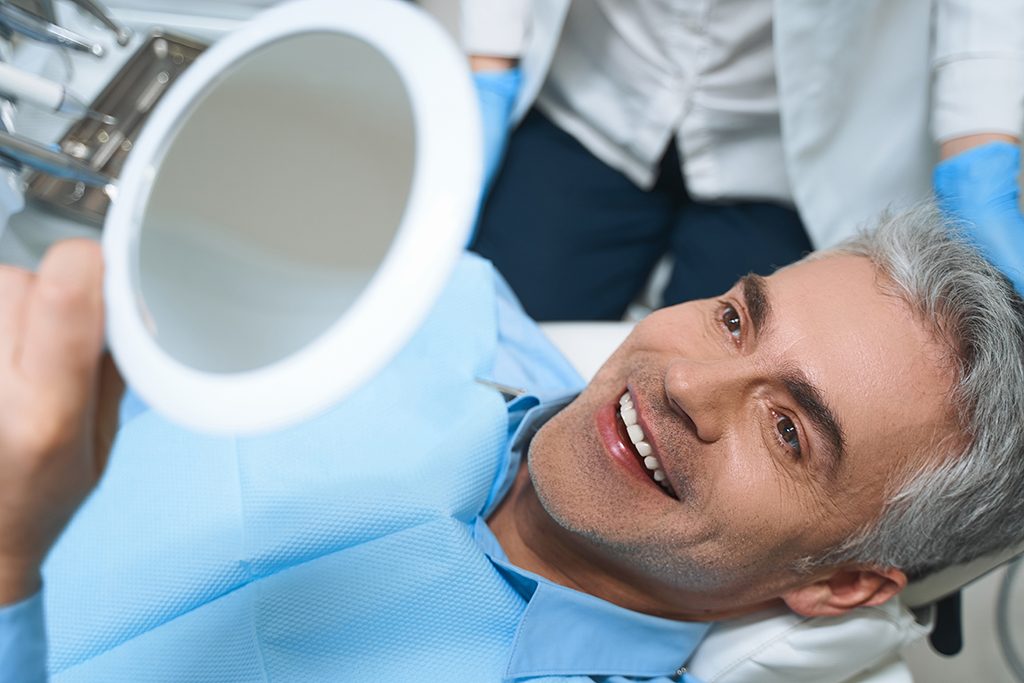
Photo By YAKOBCHUK VIACHESLAV at Shutterstock

When you have a health concern, the best course of action when it comes to treatment is to work with a provider that understands the nuances of your issue. Patients with a foot issue would see a podiatrist, for example, while those with eye problems make an appointment with an ophthalmologist. 

Usually, the path to specialists like these begins with the patient’s general practitioner doctor – a “GP” – who refers their patient out to see these experts. In the dental field, your dentist acts as a “GP,” referring patients out to specialists like an oral surgeon. For those that may struggle with hesitation or fear with dental care, this change can be a surprise. If you’re told by your general dentist’s office that you need to see an “Oral and Maxillofacial Surgeon”, you may find yourself wondering things like:

  • Why can’t my regular dentist perform surgery? 
  • Will my oral surgeon understand my dental records?
  • What does maxillofacial mean?
  • Does this mean that I have really bad dental problems?

These are all perfectly normal questions to ask: it’s important to be as informed as possible in every aspect of your health, including dental. Thankfully, there’s no cause for concern if you’ve been referred to an oral surgeon, even if the switch is unexpected. Oral surgeons are simply well-trained specialists that work with your general dentist to help alleviate pain, fix underlying dental or jaw problems, and help you maintain a healthy life and smile.

With that in mind, doing a little research into these common questions can help alleviate anxiety ahead of your oral surgery appointment. Here’s some information that will ensure you have a great relationship with your new dental specialist.

Why Can’t My Regular Dentist Perform Surgery? 

Both oral surgeons and dentists receive the same basic level of professional training initially – years in a dental school, passing certain board certification tests, practical experience, and so on. When a dental professional pursues a surgical route, however, he or she receives additional education and training on surgical techniques, best practices, and safety for procedures. This ensures they’re well-equipped to swiftly and correctly address any problems that may arise before, during, or after oral surgery, even though complications are usually very unlikely. 

While they may be exceptional at regular dental care, your general dentist does not have the specialized equipment, in-office surgical team support, or extra training required to approach oral surgery the way a trained surgeon can. A specialized office offers the diagnostic and procedural care you need to ensure the best chance at a fast recovery and ongoing post-procedure health.

Will My Oral Surgeon Understand My Dental Records?

When a general practitioner – body health, dental, mental, and so on – refers out to a specialist in any capacity, it’s standard practice to send over all records for a seamless transition. Your Frisco, TX dentist will also likely call your oral surgeon ahead of time to discuss your case; the success of your dental care directly affects them, after all! Your entire dental team – including both your dentist’s office and your oral surgeon’s office – is committed to providing exceptional care, and that requires collaboration. 

Your oral surgery team will definitely understand your dental records, as well as individual aspects of your care after speaking with your dentist. Always feel free to ask questions and get clarifications on your treatment plan – they’re there to help!

What Does Maxillofacial Mean?

This dental term is a mouthful! While seeing it on a sign or paperwork can cause anxiety in some patients, it’s just a simple way to refer to disorders or treatment of the jaw (“Max”) and face (“Facial”), in addition to any work that needs to be done intra-oral (inside the mouth). Therefore, if you’re seeing a Frisco, TX Oral and Maxillofacial Surgeon, you’re heading to a treatment center that can help with everything from surgically extracting an impacted tooth to removing tumors in the face, head, and neck. 

If you see “maxillofacial” on your oral surgery center’s sign or paperwork, it’s a sign that you’re in skilled, capable hands. 

Does This Mean That I Have Really Bad Dental Problems?

When some patients are scheduled to see an oral surgeon, they may feel that there’s a stigma to their level of care – that it’s gotten “serious enough” they need a professional. In reality, patients of all levels of severity seek out surgery for a variety of reasons – for some, it’s correcting a potentially serious lifelong issue before it becomes worse. For others, it’s addressing a dental or maxillofacial problem that they’ve only recently become aware of. 

Going to see an oral surgery provider is an important consideration for your overall well being – it doesn’t mean that your dental problems are any worse than the next patient’s. Remember, the goal with any dental care is your happiness and health, and that doesn’t – and shouldn’t! – come with any sense of shame. Fixing an issue that could cause you more discomfort, cost, and happiness in the future is a smart move, period.

If your dentist has recommended that an oral surgeon help you with a health concern, NexGen Oral and Maxillofacial Surgeons are here to help. No matter what your surgical needs may be, our caring, patient-focused staff is ready to help you on your journey to wellness, one appointment at a time. We’ll work with your dentist to understand your case and address any and all concerns you have – our ultimate goal is your comfort, and we mean that in every sense of the word. Contact us today at our Frisco, Texas office to make your oral surgery consultation appointment – we’re looking forward to meeting you!


What-Can-an-Oral-Surgeon-in-Plano,-TX-Do-for-You-
What Can an Oral Surgeon in Plano, TX Do for You?

Photo By DenisProduction.com at Shutterstock

If you need someone who can correct problems with your jaw, gums, teeth and face, it might be a good idea to schedule a consultation with an oral surgeon in Plano, TX. Also called maxillofacial surgeons, these doctors perform difficult dental procedures most dentists do not handle.

When you visit our office, you meet with Dr. Eftekhari, a surgeon with many years of experience in a range of oral and maxillofacial surgery. Dr. Eftekhari also has extensive expertise in neck and head oncology and reconstructive surgery.

Our staff treats diseases, defects and injuries related to the head, jaws, face and neck including the mouth. An expert in oral surgery can install dental implants and perform extractions on impacted wisdom teeth. We offer in office anesthesia or sedation dentistry, as required for a particular procedure. This specialty applies to both functional and cosmetic issues brought forward by clients.

Examples of Oral Surgery

Oral surgery involves procedures in your mouth such as wisdom teeth extractions. Other procedures performed include the following:

  • Extractions
  • Dental Implants
  • Teeth in One Day
  • Bone grafting
  • Tongue biopsies
  • Salivary gland conditions
  • Oral abscesses

We perform in-office sedation, so you don’t have to go to a hospital or outpatient surgery for the work.

Maxillofacial Surgery

There is no need to go elsewhere for procedures involving the rest of your face. If you need work on your mouth that doesn’t involve dental structures, or have issues with your face, neck or jaw, we also handle maxillofacial surgeries and procedures for our clients.

Examples of maxillofacial surgeries available at NextGen Surgery Center include the following:

  • Jaw reconstructive surgery
  • Face and neck trauma to your cheekbone, forehead ocular and dental structures 
  • Soft tissue trauma
  • Procedures related to facial or oral cancers
  • Cleft lip and palate correction
  • Temporomandibular joint (TMJ)
  • Facial pain management
  • Cosmetic procedures

In-office Sedation

Dr. Eftekhari received formal education as a dentist and doctor. He later went on to complete an internship in general surgery. This gives him a deep understanding of all the factors that come into play when treating clients for oral conditions. Many dental offices offer local anesthesia. However, oral surgeons offer many anesthesia options.

You have access to oral and IV sedation or anesthesia, depending on the extent of your procedure. We will recommend the option that is likely to keep you more comfortable during your time at our office.

If you have high anxiety when it comes to dental procedures, meeting with the doctor can help reassure you of his knowledge and commitment to your comfort and well-being. Nextgen Oral and Maxillofacial Reconstructive Surgery Center offers state-of-the-art equipment to help keep patients comfortable while we complete the procedure. When you come to an oral surgeon, you experience an enhanced level of care that’s a step above your typical dental office.

Experience the Difference of a Highly Trained Surgeon

At Nextgen, Dr. Eftekhari performs many procedures including dental extractions that other oral surgeons struggle with and refer to our office. If you have wisdom teeth that need to be removed and your dentist hesitates to take on the job, we help ensure that you get the care you need.

For patients who don’t need bone grafts, we often install dental extractions to replace a full set of teeth in a single day. If you need bone grafting, our innovative techniques make it possible for single or multiple teeth replacements in a single day. We accept both pediatric and adult patients. Your child will receive gentle dental care and we will make them as comfortable as possible in an unfamiliar situation.

Dr. Eftekhari also has advanced fellowship training and is a talented reconstructive surgeon. This gives our patients access to a comprehensive treatment plan without going to several providers. During your consultation, we will go over your surgery and aftercare plan to make sure that you understand each step of the process. Please ask any questions that you have before, during and after your consultation. We want you to feel 100% confident that you can overcome the condition that you have, and to understand the treatment required to help you feel well again.

From pain management to cosmetic effects to functionality, we can address all of your oral and maxillofacial issues at our office.

Other Oral and Maxillofacial Surgeries in Plano, TX

Our oral surgeon performs jaw surgery, facial trauma, oral cancer and reconstructive surgery. The knowledgeable surgeon has experience successfully completing these and other delicate procedures. He also excels at clinical care and helps you feel at ease during your time with us.

Nextgen’s Dr. Eftekhari has extensive experience dealing with neck and head oncology. This includes reconstructive surgery from one of the best surgeons in Texas.

Who Benefits from the Skills of a Qualified Oral Surgeon?

Many of our patients come to us through referral by their primary position or dentist. Others come to us as a referral from other providers and insurance companies.

Many patients seek us out because they want the opinion and expertise of an oral maxillofacial surgeon. Frequently asked questions include our experience with neck lesions, masses, TMJ, tumors, pain management, infections and abscesses. We are able to speak to Dr. Eftekhari’s expertise in these and other related procedures.

Schedule a Consultation with an Oral Surgeon Today

If you are experiencing pain or need the second opinion of an accomplished oral surgeon, look no further. Dr. Eftekhari at NextGen OMS can evaluate your situation and give you an honest assessment of what your treatment plan should look like. We also perform cosmetic procedures to improve your confidence and appearance. We invite you to contact our office to start the process toward a healthy mouth, face or neck with the best oral surgeon in Plano, TX.

Waiting-Hurts--When-to-Call-Your-Plano,-TX-Oral-Surgeon
Waiting Hurts: When to Call Your Plano, TX Oral Surgeon

Have you ever told yourself a “little white lie” about your health because it was easier? Maybe you tried to convince yourself you didn’t feel that little tickle in your throat when you suspected you were getting sick, or that you weren’t really squinting when you were actually overdue for new glasses. Dentistry is a part of healthcare that gets neglected far too often by those living in Plano, TX, particularly when the associated issues don’t feel dire enough to visit an oral surgeon. 

Here’s the uncomfortable truth: when dental damage, decay, or disorders have gotten bad enough to cause you discomfort, they’re well on their way to becoming rapidly worse, and you need the intervention of an oral surgeon. What is only a mild “twinge” one day may evolve into an extremely painful problem only a few short days later, leaving the patient unable to eat, drink, or even sleep without distracting levels of pain. 

My Jaw / Mouth / Cheek is Sore, Hot to the Touch, and Throbbing.

This likely means you may have an infection in your tooth or somewhere in your mouth. While you can use methods like an ice pack or anti-inflammatory medicine to address some of the symptoms, you’ll need to get to the root – no pun intended – of the cause to make the pain stop for good. A visit to a skilled Plano area oral surgeon will help repair or remove the offending tooth or teeth, potentially after a course of prescribed antibiotics, depending on the scope of the problem.

I Think I Can Fix it With a Remedy I Found on the Internet.

No home remedy can take the place of an experienced, licensed, professional oral surgeon when it’s needed: in fact, the DIY approach can cause more harm than good if the wrong techniques or materials are used on an active injury or infection. While we think it’s important to be in tune with the health and well-being of your own body, without an X-ray machine and a licensed oral surgeon at your disposal, making an appointment is always going to be the better choice for your overall health. 

I Lost, Broke, or Significantly Chipped a Tooth in an Accident.

Ignoring “cosmetic” tooth problems is a very common mistake – those with chipped or broken teeth believe they can simply be cautious and avoid chewing with those teeth. The problem with this approach is that the upper and lower jaw are ideally shaped to work as a unit. Just like a car couldn’t drive properly if a wheel was bent on an axis, that “harmless” chipped or broken tooth can actually cause jaw pain from misalignment over time. 

I Know I Need Oral Surgery, I Just Haven’t Gotten Around to it.

If you’ve been told by a dentist that you need oral surgery to repair or correct an oral defect, waiting will only end up hurting you. Referrals to oral surgeons aren’t given lightly, and they are generally only recommended when fast action is the best option for the patient. Waiting too long can, for example, make the shared x-rays outdated, requiring a new examination to reorient your dental treatment plan. Depending on your dental insurance clauses, waiting to have your surgery may also leave you with a larger out-of-pocket responsibility. If a dentist has insisted you book an appointment, make sure you do!

My Wisdom Teeth Should Be Fine. I Think.

Wisdom teeth may have a “smart” name, but sometimes people make questionable decisions about them. Depending on the angle they emerge, if they emerge at all, failing to have them removed by an oral surgeon in a timely manner can lead to painful impaction, sores, and pressure. In order for your working teeth and gums to have the space they need to chew food, move your mouth as you talk, and more, wisdom teeth usually need to be removed at a certain point. A licensed oral surgeon can make the procedure a smooth, virtually pain-free process, so there’s no reason to delay: if you’re feeling apprehensive, just ask your surgeon to go over your treatment plan with you and explain the benefits of removing your wisdom teeth – hearing the process from a professional puts many dental-phobic patients at ease. 

My Dentures Still Sort of Fit. 

Whether you’re hanging on to an old plate because you are reluctant to book your oral surgery appointment, or you are looking to move into dental implants, it all starts with a call. Your oral surgeon will need to review your specific x-rays and discuss your case with you in order to present a treatment plan. Don’t wait until your only pair of dentures is lost or broken to start the ball rolling on your replacement. 

I’m Worried it will Hurt More!

Dental-phobia happens to many people for many different reasons – thankfully, the right staff at our kind, caring, and patient-focused Plano, TX oral surgeon’s office can help. NextGen OMS offers transparent treatment plans (so you won’t feel out of the loop), available IV sedation (for when you want to be out of the loop), and a professional oral surgery team ready to answer all your questions. We understand your concerns, and we can’t wait to show you what the right approach to your oral surgery needs can do to quiet anxiety. 

If you’re ready to stop hurting and start enjoying eating, drinking, talking, and living your life to the fullest again, it’s time to call the professionals. At NexGen OMS, we’re proud to serve the residents of Plano, TX and offer our proven oral surgery skills for everything from wisdom tooth removal to biopsies of tongue and cheek tissues, as well as reconstructive options for those with damage to the mouth and teeth. When you walk into our oral surgery office, we want to give you a reason to smile – both during your customized treatment, and every day after to show off our handiwork.

Photo By Syda Productions at Shutterstock
Double Jaw Surgery
Double Jaw Surgery: Everything You Need to Know

Double jaw surgery was designed to help provide people with jaw alignment issues with the most optimal results. These include living a better, healthier life through a better functioning and positioned jaw.

In this article, we examine what double jaw surgery is, who it gets designed for, the different types of surgical procedures, the recovery process, and the potential dangers of the operation.

Read more

TMJ Doctor & Specialist
TMJ Diagnosis: Treatments, Procedures, and Surgery

When we refer to the temporomandibular joint, or TMJ as it’s more commonly known, we’re talking about the hinge that connects the jaw to the skull. You may have never thought about its function, but the TMJ is critical in our daily life. Without it, our jaws wouldn’t be able to move up and down or side to side. The TMJ also allows us to talk, chew, and yawn.

Some people suffer from TMJ disorder, which causes them to experience pain and discomfort in the jaw. The symptoms of TMJ disorder commonly manifest themselves in several ways. These symptoms, which we’ll discuss in greater detail below, can be quite debilitating and require attention from a medical professional.

Read more

Dentist Helping with Wisdom Teeth Recovery
Wisdom Teeth Removal Recovery Tips

Wisdom tooth removal is one of the most common outpatient procedures at an oral maxillofacial surgery center.

Talking with your OMS doctor about the surgery is important, but so is understanding the recovery process after wisdom teeth removal.

In fact, wisdom teeth extraction aftercare is a vital step to helping your mouth heal, alleviating pain, and fighting off infection. Check out this list of tips and tricks to help you recover as quickly as possible.

Read more