

How-a-Head-and-Neck-Surgeon-Can-Help-Treat-TMJ-Disorder-_-McKinney,-TX
How a Head and Neck Surgeon Can Help Treat TMJ Disorder | McKinney, TX

Photo By SciePro at Shutterstock

TMJ is the commonly used term to describe disorders of the Temporomandibular joint (TMJ) which are usually temporary. Simple things like dentist office visits, sleeping in the wrong position, grinding teeth and other common causes can trigger an onset of TMJ disorder. In other cases, the cause is much more serious and may require the attention of a head and neck surgeon. If you are located in McKinney, TX, here are some reasons you may need a head and neck surgeon to treat your TMJ disorder. 

What is TMJ?

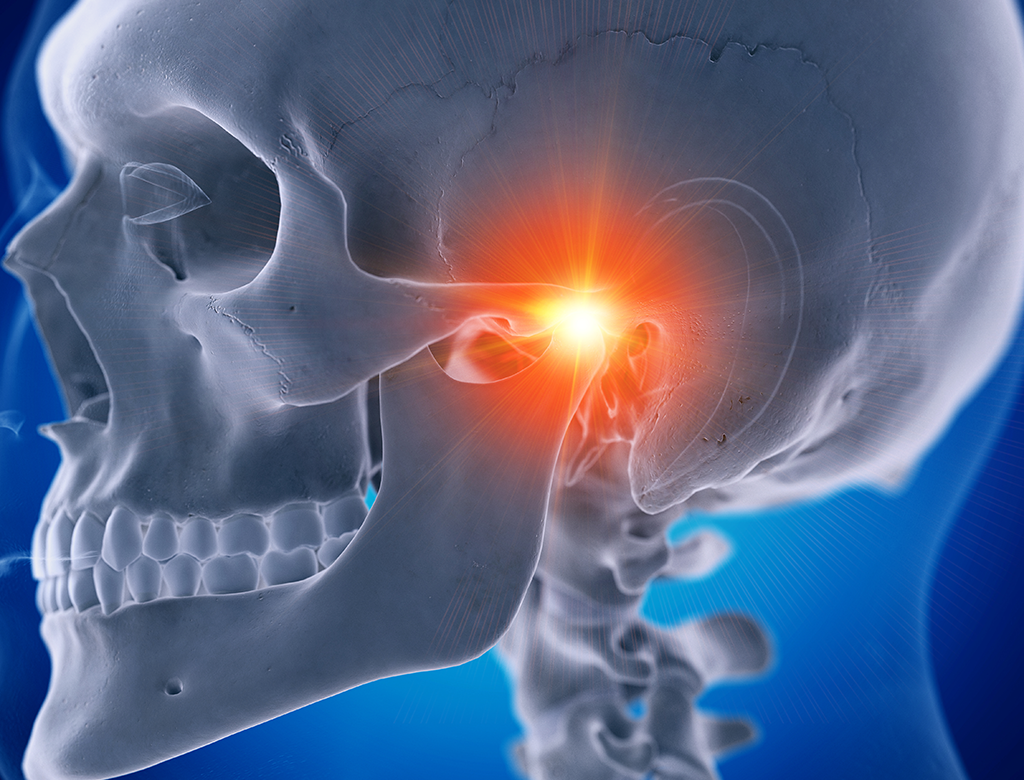
The temporal bones (lower lateral skull walls) and the mandible (jaw) bones make up the “temporomandibular” bones. These two sets of bones are joined together by soft tissues and cartilage and act as a hinge allowing the jaw to close and open. People often refer to any pain or discomfort associated with their jaw as “TMJ” when that is the name of the joint itself. Temporomandibular Disorder (TMD) is the medical term for problems associated with the Temporomandibular Joint (TMJ). TMJ disorder causes pain and discomfort when the joint is out of alignment which inhibits the jaw’s natural smooth motion. In some cases, treatment for TMJ disorder requires the expertise of a surgeon.

Symptoms of TMJ

Patients suffering from TMJ disorder most often complain about their jaw having greatly decreased mobility. In some cases, the pain is unbearable and they are unable to open their mouths much at all. Other symptoms can be:

  • Pain in or around the ear
  • Hearing problems
  • Tinnitus (ringing in the ears)
  • Earaches
  • Pain or tenderness in the jaw joint area, face, temples, or neck and shoulders
  • Difficulty chewing
  • Lack of mobility of the jaw that feels locked or stuck
  • Difficulty chewing
  • Popping or clicking sounds when closing or opening the mouth
  • Facial swelling
  • Tooth pain
  • Headaches
  • Dizziness

Patients with the most severe symptoms are most often the ones that seek medical help from a head and neck surgeon.

Causes of TMJ Disorder

Temporary TMJ disorder can result from lengthy dentist office visits where the mouth is left open for longer periods of time for procedures like crowns and root canals. Dental work itself can trigger symptoms by causing swelling, pain, and discomfort in the joint area. Temporary TMJ disorder can also result from sleeping in a position that creates pressure on one side of the jaw. Stress is also a temporary cause of TMJ disorder because it can cause tension in the shoulders and neck which can affect the joint. Stress can also be a factor because it can cause patients to clench their teeth.

TMJ disorder that results from teeth grinding can become chronic if the teeth grinding itself is chronic. Many patients find relief from this issue by using a nightguard. Chronic TMJ disorder can be caused by an injury to the neck, face, or jaw or by medical conditions such as arthritis. Patients with chronic TMJ disorder are more likely to be in need of a head and neck surgeon. 

When to Seek a Head and Neck Surgeon

Patients suffering from temporary TMJ disorder often find that it resolves on its own with over-the-counter pain relief. For patients who aren’t able to find relief through additional soft-tissue therapies and other non-invasive treatments, a head and neck surgeon has other options available. You should make a consultation with a head and neck surgeon in the following situations:

  • Your symptoms are severe
  • You are unable to open or close your mouth completely
  • Your symptoms are getting worse
  • You have difficulty eating or drinking
  • You have an underlying disease or structural problem confirmed by another specialist
  • You feel consistent pain that remains intense despite other treatments

How a Head and Neck Surgeon Helps TMJ

A head and neck surgeon has several procedures available to bring relief to TMJ pain. One common procedure is arthrocentesis which is accomplished by injecting fluid into the joint which flushes out byproducts from inflammation and helps to reduce pressure. Because this procedure is minimally invasive, it is often the preferred first approach.

Another method commonly used is arthroscopy. Arthroscopy involves inserting a small tube called a cannula through a tiny slit that allows the surgeon to perform various procedures with tiny surgical tools through the tube. Arthroscopy is less invasive than open joint surgery and is preferred due to the reduced recovery time.

Open joint surgery is another option but is usually reserved for specific medical conditions such as tissue or bone growth that prevents the joint from moving or in cases when arthroscopy is not an option.

Treatment for TMJ Disorder at NextGen

Dr. Eftekhari MD at NextGen is a highly skilled and experienced medical professional who provides services to patients in McKinney, TX. He is a head and neck surgeon who also has specialties in other types of surgery that have to do with the head, neck, jaw, and oral cavity. Dr. Eftekhari treats adult patients as well as pediatric patients. NextGen offers the current most advanced treatment options available to bring relief to your TMJ pain. 

Contact NextGen Today

NextGen OMS, Facial, Head & Neck Surgery has been helping patients find relief for TMJ and other medical issues in the McKinney, TX, area since 2015. If you are experiencing TMJ pain that is chronic, severe, or seems to be getting worse and other therapies and pain relief are not helping, don’t hesitate to contact us. If you are experiencing other issues with your face, head or neck that require surgery, we may be able to help with that as well. If you are currently experiencing TMJ pain, regardless of the cause, don’t delay. Call us right away and find out how NextGen Facial, Head & Neck Surgery can help you take that first step toward freedom from TMJ pain once and for all. Call us today.

Finding A Head And Neck Surgeon | Plano, TX

Photo By Flamingo Images at Shutterstock

It may have started as a minor inconvenience – a little pain, a little discomfort, but only when you did certain things or moved in a specific way. You ignored it for awhile, but eventually you asked your Plano, TX doctor to look into it – and they determined that you needed to consult with a head and neck surgeon. While you’re likely relieved to be moving closer to a healthier life and body, you’re still bound to be wrestling with concerns, and maybe even fears, about your treatment plan.

While you may feel like your condition is rare or unusual, chances are that more people than you think understand the medical journey you’re on. Once you research the treatments and procedures in your plan, and have a chat with your surgeon directly, you’ll start to feel that tension melt away – unless, of course, it’s directly physically related to your initial problem!

“I need facial reconstructive surgery.”

Whether you’re facing issues from birth or injuries after an accident, reconstructive surgery from a head and neck surgeon can help restore everything from confidence to functional health in areas like the jaw, face, and neck. A skilled head and neck surgeon will be able to restore or repair considerations like facial symmetry, as well as help fill in voids or gaps to achieve a smoother, more natural-looking surface and silhouette to the face and profile. While this type of surgery will, as any other, need recovery time and care, the benefits it offers are lifelong and cumulative. Without proper reconstructive surgery, missing or compromised areas of the face and head can put too much pressure on existing, healthy structures for support.

“I have cancer in my head, face, or neck and need tumors removed.“

Removing cancerous tumors is one of the best ways to keep cancer from spreading and recurring – combined with other proven therapies, it’s a big step towards getting and remaining cancer-free. These surgeries are typically done by a head and neck surgeon in conjunction with a care plan from a specialist or oncologist; the tumor(s) removed can also help target future treatment once they’re properly biopsied and examined. Timing is crucial for cancer-removal head and neck surgeries, due to the nature of cancer. Once you are recommended by your doctor or oncologist to a head and neck surgeon, be sure to follow-up promptly and schedule your surgery as soon as it’s feasible and medically recommended.

“I have an issue with my tonsils.“

They’re a body part that seldom gets much attention unless things go wrong, but your tonsils tell a great deal about your health. Tonsils provide biofeedback to your body to prevent choking, they become inflamed in response to colds and viruses, and they help protect your immune system when they’re healthy and functioning. For some individuals, however, the tonsils become a frequent source of pain and discomfort, due to illnesses like strep throat that can open painful lesions on their surfaces. If your doctor has recommended that your tonsils be removed or altered, you’ll need the help of a licensed head and neck surgeon to do so. (And yes, the rumor about having as much ice cream as you like afterwards is true!)

“There’s a problem with my thyroid or parathyroid glands.”

Issues with these glands can have systemic results, negatively impacting your quality of life, energy levels, and comfort over time. Working with a head and neck surgeon can help speed up the healing process and have you feeling like your “old self” again, usually sooner than you thought possible. If your Plano, TX primary care physician has diagnosed you with thyroid or parathyroid health problems, surgery will help regulate your thyroid and bring your body back into balance. These types of surgeries may remove or partially remove the glands, reduce the size of a goiter (swelling around the glands) that is impacting your breathing or swallowing, or enable a biopsy of a suspected cancerous tumor in the region.

“I have a mass or cyst on my scalp that needs removal.”

The scalp is a complex region of skin, partly due to its thinness, its curved shape, and it’s wealth of oil-producing glands, designed to keep hair well-conditioned and soft. When a cyst or growth appears on the scalp, it can be extremely painfully and potentially even embarrassing, depending on where the blemish is situated. Your head and neck surgeon can pinpoint these areas and carefully reduce or remove them; often caused by clogged sebaceous (oil) glands or ingrown hairs, particularly bad cysts and scalp growths will become extremely swollen and painful without surgical intervention. After surgery and healing are complete, you’ll be able to brush and style your hair without the throbbing and pain of a cyst, shower more comfortably, and enjoy socializing without the self-conscious worry that your cyst is visible or unsightly.

“I have a tongue injury or defect that needs repairing.”

Your tongue is a crucial part of the body’s processes for verbal communication, eating, and even breathing to a certain extent. If your tongue has suffered a traumatic injury – such as a piercing gone wrong – or you’re looking to repair a defect you’ve had for years, you’ll need a head and neck surgeon that also specializes in oral maxillofacial surgery in order to receive the best comprehensive care. As the structure, health, and alignment in the face and neck are also directly connected to the jaw, a “big picture” treatment plan is important to discuss when tongue surgery or repair is being considered.

Your medical journey is important and necessary, but it’s perfectly natural to feel hesitation or even fear at the prospect of an upcoming surgery. If you live in the area and you need reassurance, guidance, or explanations about your surgical recommendations, the patient-focused team at NextGen, including Dr. Eftekhari, is here to help you: contact us today!